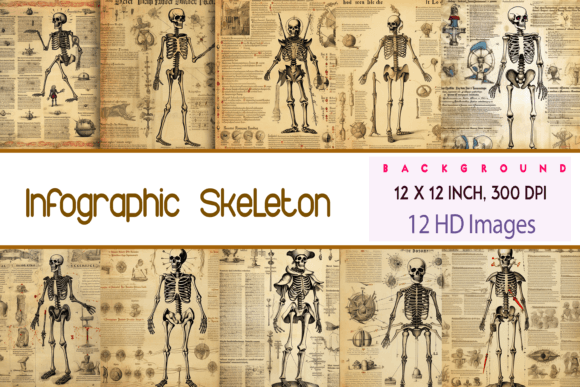
Infographic Skeleton
Digital backgrounds are a foundational resource for many visual projects, and the Infographic Skeleton is one specific product that has drawn attention from photographers, graphic artists, and content creators. This article offers a balanced look at what this collection offers, who it may suit, and what to consider before purchasing. The goal is to help you evaluate whether these high-definition images align with your practical needs and creative goals.
What Is the Infographic Skeleton?
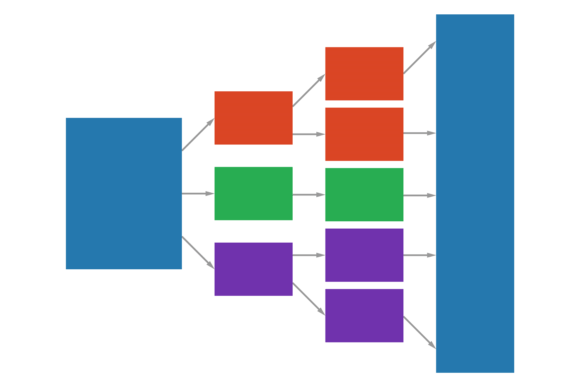
The Infographic Skeleton refers to a set of 12 high-definition digital background images delivered as PNG files. Each design measures 12 inches by 12 inches with a resolution of 3600 pixels by 3600 pixels at 300 DPI. File sizes range from approximately 10 to 20 megabytes per design, which balances detail and usability. The backgrounds feature vibrant, colorful compositions on a solid, non-transparent background. They are intended for use in websites, brochures, social media posts, and other digital or print projects where a polished visual backdrop is needed.
Why Consider Infographic Skeleton Backgrounds?
People researching digital backgrounds often look for specific characteristics: high resolution, consistent quality, and versatility across applications. The Infographic Skeleton collection addresses these points directly. The 300 DPI resolution and generous pixel dimensions mean the images can be used in large format printing without losing sharpness. The PNG format preserves fine detail and color accuracy, which is useful when layering text or other graphics over the background. For anyone who needs a reliable set of ready-to-use backgrounds without spending time creating their own, this product offers a convenient starting point.
Another reason for interest is the variety of styles included. With 12 distinct designs, users can select backgrounds that match different tones and themes. This variety reduces the need to source images from multiple places, simplifying the workflow for projects that require a cohesive but not identical look across multiple assets.
Benefits and Strengths
The primary benefit of the Infographic Skeleton collection is the combination of technical specifications and visual quality. The 3600 x 3600 pixel canvas at 300 DPI provides ample detail for both screen and print use. For graphic artists preparing materials for client presentations or social media templates, this level of resolution ensures that backgrounds remain crisp even when scaled or cropped.
The solid, non-transparent background is another practical advantage. Many digital backgrounds include transparency or complex patterns that can clash with foreground elements. Here, the solid backdrop simplifies compositing and makes it easier to overlay text, icons, or images without visual interference. The vibrant color schemes can add energy to a design, making them suitable for attention-grabbing marketing materials or social media visuals.
For photographers, these backgrounds can serve as cost-effective alternatives to custom backdrops for product shots or portrait sessions. The PNG format and high resolution mean they can be dropped into editing software and adjusted with lighting effects or color grading while retaining their integrity.
Tradeoffs and Considerations
While the Infographic Skeleton collection offers clear strengths, there are tradeoffs to weigh. The file size of 10-20 MB per design is reasonable for high-quality assets, but users working with limited storage or slower internet connections may find downloading and managing 12 large files cumbersome. Additionally, the solid background means these images are not suitable for projects requiring transparency or those that need the background to blend seamlessly with varied base colors.
Another consideration is the artistic style. The designs are described as vibrant and colorful, which may not suit every project. For minimalist, monochrome, or corporate branding, these backgrounds could feel too busy or mismatched. The 12” x 12” square format is also a specific shape. While square backgrounds are versatile for many digital uses, they may require cropping for rectangular layouts such as wide banners, video thumbnails, or landscape-oriented print pieces.
Resolution, while excellent for most applications, may exceed the needs of certain digital-first projects. Social media images, for example, often require much smaller dimensions, and working with oversized files can slow down editing software unnecessarily. Users will need to decide whether the extra resolution provides tangible value for their specific use case or whether a lower-resolution option would suffice.
Who Is a Good Fit for Infographic Skeleton?
The Infographic Skeleton collection is a strong fit for individuals and professionals who regularly produce visually rich digital content and value time savings. Graphic designers working on social media campaigns, blog graphics, or digital advertisements will find the ready-to-use backgrounds helpful for speeding up production. Photographers who need versatile backdrops for compositing or virtual set design may also appreciate the consistent quality and resolution.
Small business owners or marketers who create their own promotional materials but lack advanced design skills can benefit from having a set of professionally designed backgrounds that elevate their visuals without requiring custom design work. The variety of 12 designs gives enough choice to maintain visual interest across different posts or pages.
Print projects such as flyers, brochures, or posters can also leverage the 300 DPI resolution. For anyone producing short-run print materials, these backgrounds offer a professional look at a fraction of the cost of hiring a designer for custom background creation.
When Alternatives Might Be Worth Considering
There are several situations where alternatives to the Infographic Skeleton may serve you better. If your project requires a transparent background or the ability to blend seamlessly with varying page colors, a set of PNG images with transparent backgrounds would be more appropriate. Many stock image sites offer such options, though resolution may vary.
If your work is strictly digital and you prioritize small file sizes for quick loading and editing, you might prefer vector-based backgrounds or lower-resolution PNG sets. The 10-20 MB file size of these designs is not excessive, but it is higher than what some digital-only workflows call for.
Another alternative scenario is when a specific color scheme or thematic direction is required. The vibrant, colorful style of this collection may not align with a brand's strict visual identity. In that case, seeking a customizable or more subdued background set, or creating original backgrounds using design software, could be a better investment of time and resources.
Budget is also a factor. While the Infographic Skeleton is priced as a premium product for its quality, free or lower-cost background resources are widely available. Platforms like Unsplash, Pexels, or Freepik provide images that can be adapted for many uses. However, those resources may not consistently offer the same resolution, format, or square dimensions. If your project demands the specific specifications of this collection, the investment may be justified. If not, free alternatives could serve the same purpose.
Practical Decision-Making Insights
When evaluating the Infographic Skeleton for your own needs, start by mapping your project requirements against the product specifications. Ask yourself: Do the 12” x 12” square format and 300 DPI resolution match the output format you need? Will the vibrant color palette complement or compete with your content? Is the non-transparent background an advantage or a limitation for your compositing workflow?
Consider your workload. If you produce multiple digital assets each week and need consistent, high-quality backgrounds that don’t require post-processing, this collection can save significant time. If your projects are highly specialized or creative, you may prefer the flexibility of building backgrounds from scratch or sourcing individual images tailored to each piece.
Another practical step is to sample before committing. If possible, download a single design or look for preview images that show the background in real-world use. This can help you assess the color rendition, pattern density, and overall feel relative to your brand or project style. Many creators find that seeing the background in context reveals whether it will lift their design or feel like a mismatch.
Finally, think about long-term utility. A set of 12 backgrounds can cover a wide range of seasonal or thematic needs if the designs are diverse enough. If the collection's variety aligns with your recurring project types, it may become a go-to resource you return to repeatedly. If your needs shift frequently, you might be better served by a subscription-based stock image service that offers more choice and frequent updates.
Aligning the Product With Your Goals
The Infographic Skeleton collection targets a specific intersection of high resolution, consistent formatting, and ready-to-use design. It is not a universal solution for every visual project, but it fills a practical gap for many professionals who value efficiency and quality. Understanding your own priorities—whether they are speed, resolution, color style, or file size—will help you determine whether this set aligns with your goals.
For those who frequently produce square-format visuals such as Instagram posts, product squares, or thumbnails, the specifications are particularly well-suited. For more varied layouts, the need to crop or adapt may add extra steps. Similarly, if you work with clients who require strictly corporate or monochromatic aesthetics, the vibrant palette may be a limiting factor rather than an asset.
Ultimately, the decision comes down to whether the collection's strengths match your most common use cases and whether the tradeoffs are acceptable given your workflow. By approaching the choice with a clear understanding of what you need from a background resource, you can assess the Infographic Skeleton on its merits and determine if it deserves a place in your digital toolkit.
In summary, this product offers a well-specified set of digital backgrounds that deliver on resolution, quality, and convenience for a range of common creative tasks. For the right user, it can streamline project creation and add a polished visual foundation without the overhead of custom design work. For others with more specific format or stylistic requirements, exploring alternative resources may yield a better fit. Evaluating your own priorities against these points will guide you to the right choice for your creative practice.