Para-athletes on a Podium: Evaluating an EPS Illustration Set for Inclusive Design
Visual communication in the fields of sports, accessibility, and human achievement requires imagery that is both accurate and respectful. Para-athletes on a Podium is an AI-generated EPS illustration set that depicts para-athletes in medal-standing scenarios, designed for use in digital and print media. This collection aims to provide designers, educators, and content creators with ready-to-use vector illustrations that celebrate adaptive sports and inclusive representation. Understanding what this set offers, how it compares to alternatives, and whether it aligns with your specific project needs is essential before making a purchase decision.
What the Para-athletes on a Podium Illustration Set Includes
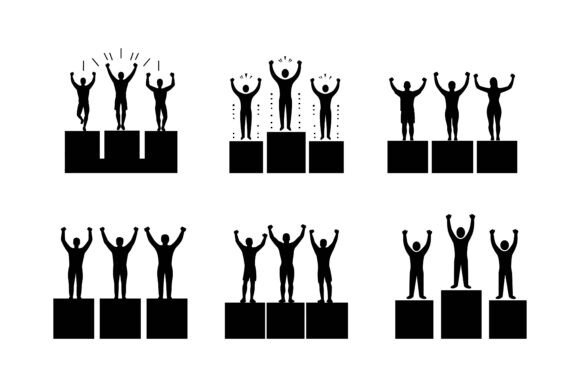
This illustration set focuses on podium scenes featuring para-athletes using various adaptive equipment such as wheelchairs, prosthetics, or guiding aids. The files are provided in AI, EPS, and JPG formats, making them compatible with both Mac and Windows operating systems. The set is organized with a clearly structured file and layer system, which allows for straightforward editing. Each illustration is created with attention to detail and consistency in style across the collection. The vector nature of the files means they are scalable without loss of quality, suitable for everything from small app icons to large-format posters and infographics.
Why Designers and Content Creators Consider This Set
There are several practical reasons someone might evaluate this illustration collection. First, the growing emphasis on diversity and inclusion in visual media means that accurate and dignified representations of para-athletes are in demand. Having a dedicated set of illustrations that specifically addresses this subject can save significant time compared to commissioning custom artwork or modifying generic podium illustrations.
Second, the editable vector format offers flexibility. Users can change colors, adjust poses, or modify elements to fit a brand palette or specific layout requirements. This adaptability is particularly valuable for organizations producing materials for the Paralympic Games, adaptive sports programs, disability advocacy campaigns, or inclusive fitness content.
Third, the inclusion of multiple file formats ensures that the illustrations can be used across different software environments. Whether you work in Adobe Illustrator, Affinity Designer, or even a web-based design tool, the EPS file format provides a widely compatible option.
Benefits
- Time efficiency: Pre-made illustrations eliminate the need to create complex podium scenes from scratch. The structured layer system allows you to find and edit specific elements quickly.
- Consistency: Because all illustrations in the set share a unified artistic style, using multiple images together creates a cohesive visual narrative. This is particularly useful for infographics, presentations, or series of educational materials.
- Scalability: Vector files can be resized for any application without pixelation. A single illustration can serve as both a tiny icon on a mobile screen and a large mural on a conference wall.
- Customizability: The ability to modify colors and elements means you are not locked into the default palette. This is crucial for branding or when you need to match specific organizational guidelines.
- Cross-platform compatibility: AI and EPS files work on both Mac and Windows, and the included JPG provides a quick preview or raster option for projects that do not require vectors.
Tradeoffs and Considerations
- Artistic limitations: As a pre-made set, the illustrations reflect the style and choices of the original creator. You may find that certain poses, equipment types, or representation details do not perfectly match your vision. Custom commissioning offers more control over specific elements.
- Licensing scope: It is important to review the end-user license agreement (EULA) for this set. Some illustration collections restrict commercial use, impose limits on print runs, or prohibit use in certain types of merchandise. Verify that the license covers your intended application.
- AI-generated nuance: Because these illustrations are AI-generated, there may be subtle inconsistencies or anatomical quirks that require manual correction. While the set advertises attention to detail, AI outputs sometimes benefit from human refinement, especially in areas like hand positioning or equipment accuracy.
- Uniqueness: Pre-made sets are available to many buyers. If your project requires completely original visuals that cannot appear elsewhere, a custom illustration approach may be preferable.
Situations Where Para-athletes on a Podium Is a Strong Fit
This illustration set works well in several common scenarios:
- Educational materials: Teachers and curriculum developers creating lessons about the Paralympics, inclusive sports, or disability awareness will find ready-to-use visuals that enhance understanding.
- Nonprofit and advocacy campaigns: Organizations promoting adaptive sports programs, disability rights, or inclusive community events can use these illustrations for brochures, websites, and social media graphics.
- Corporate diversity reports: Companies highlighting their commitment to inclusion may use podium illustrations to accompany sections on adaptive sports sponsorships or accessible workplace initiatives.
- Infographics and data visualization: The consistent style across the set makes it easy to create multiple data points with matching visuals, such as comparing medal counts or participation rates across different adaptive sports categories.
- Web and app design: Icons and small-scale illustrations for fitness apps, sports news platforms, or accessibility directories benefit from the clean vector style and easy resizing.
When Alternatives May Be Worth Considering
There are situations where another approach might serve you better:
- Highly specific representation needs: If your project requires depictions of particular adaptive sports not included in the set, or if you need illustrations showing specific assistive technologies in detail, custom artwork or a specialized stock library with broader coverage may be more appropriate.
- Photorealistic or 3D styles: This set is illustrated in a flat vector style. If your brand or project demands photography, 3D renderings, or photorealistic illustrations, an alternative resource will be necessary.
- Large-scale commercial licensing: If you are producing merchandise for retail sale, developing a mobile app with paid downloads, or creating materials for a major broadcast event, you may require a license that allows extensive commercial use. Verify that this set's terms match your distribution plans.
- Complete creative control: For projects where every element, from pose to color to background, must be precisely as you envision, commissioning an illustrator provides the highest level of customizability. This route is more expensive and time-consuming, but it eliminates the need to work within the constraints of a pre-made set.
Practical Decision-Making Insights
To determine whether this illustration set aligns with your goals, consider the following framework:
- Define your use case. Are you creating internal educational materials, commercial marketing assets, or public-facing advocacy content? The nature of your project affects licensing requirements and the importance of visual originality.
- Audit your existing resources. Do you already have access to inclusive sports illustrations through a stock subscription or a previous purchase? If you already own similar content, assess whether this set fills a gap in representation or style.
- Evaluate the time-cost tradeoff. Calculate how much time you would spend editing these illustrations to match your brand versus creating them from scratch. The structured layer system reduces editing time, but if you need to modify every element significantly, the benefit diminishes.
- Consider audience expectations. If your audience includes para-athletes or disability advocates, the accuracy and dignity of the representation are paramount. Review the sample illustrations carefully to ensure they meet the standard you require. If possible, seek feedback from individuals with lived experience in adaptive sports.
- Review the license terms. Before purchasing, locate and read the full license agreement. Confirm that commercial use, digital distribution, and any specific applications you have in mind are permitted. If the license is unclear or restrictive, that is a red flag.
- Test the editability. If the vendor offers a preview or sample file, download it and test the layer structure in your design software. Confirm that you can easily change colors and modify elements as advertised. This is the best way to verify the "neatly organized" file structure claim.
Aligning the Set with Your Goals
For many designers and content creators, the value of a pre-made illustration set lies in the balance between convenience and quality. Para-athletes on a Podium offers a dedicated collection that addresses an often underserved niche in stock graphics. The editable vector format, cross-platform compatibility, and consistent style provide a solid foundation for inclusive visual communication.
However, the set is not a universal solution. If your project demands extremely specialized representation, photorealistic imagery, or exclusive visuals that no other buyer can access, investing in custom illustration work is likely the better path. Similarly, if your budget is very tight or if the license restrictions do not match your intended use, you may need to explore alternative stock libraries or open-source vector resources.
The decision ultimately comes down to how much flexibility you need, how specific your subject matter is, and how much time you are willing to spend on customization. For routine projects that require respectful, ready-to-use illustrations of para-athletes on podiums, this set offers a practical and efficient option. For projects with high-stakes representation requirements or unique creative visions, alternatives deserve serious consideration.
By carefully evaluating your requirements against what this collection provides, you can make an informed choice that supports both your creative goals and the inclusive values that make imagery of para-athletes so important. Whether you proceed with this set or explore other avenues, the growing availability of such resources is a positive development for anyone committed to diverse and accurate visual storytelling.