Understanding the Sleep Tracker Canva Selfcare Tracker: A Practical Guide to Choosing Your Sleep Tracking Method
Sleep tracking has become a central part of many selfcare routines, yet the tools available range from sophisticated apps to simple paper logs. Among the more flexible options is the Sleep Tracker Canva Selfcare Tracker, a digital product that offers editable templates designed for use within Canva. This article explores what this type of tracker offers, how it compares with other sleep tracking approaches, and what factors matter most when deciding whether it fits your personal wellness practice.
What Is a Sleep Tracker Canva Selfcare Tracker?
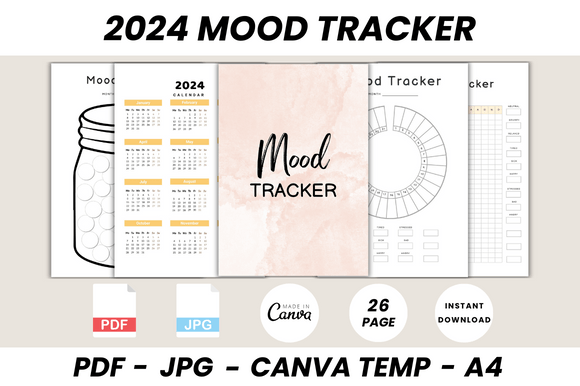
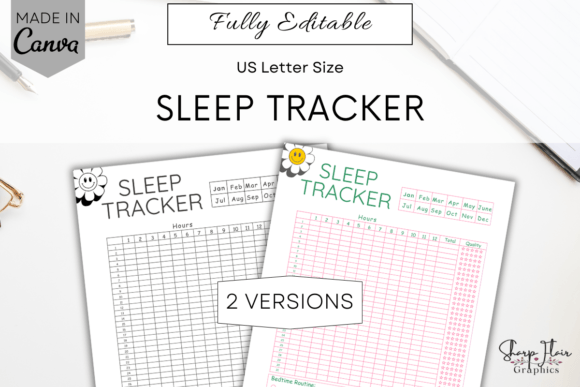
A Sleep Tracker Canva Selfcare Tracker is a digital template that you can edit, print, or use digitally through the Canva platform. Typically, the product includes two versions of a sleep log spread across two pages, formatted for letter-sized paper (8.5 x 11 inches). After purchase, you receive a ZIP folder containing a PDF file with a link to both versions in Canva. Because the files are fully editable, you can change fonts, text elements, background colors, and sizes before printing or using them digitally. No physical product ships, and no mock-ups are included.
What distinguishes this tracker from many alternatives is its emphasis on customization within a user-friendly design environment. You are not locked into a fixed layout or predetermined categories. Instead, you can adapt the tracker to match your specific sleep goals, aesthetic preferences, and selfcare priorities. This flexibility makes it a tool that can evolve with your needs rather than forcing you to conform to a rigid system.
Key characteristics of this tracker format
- Editable in Canva: You can modify almost every visual element using a free Canva account.
- Two versions included: The product provides two distinct layouts, giving you a choice or allowing you to alternate between them.
- Digital or physical use: You can keep the tracker entirely digital, filling it in on a tablet or phone, or print it as a PDF for analog use.
- Selfcare integration: The tracker is positioned as part of a broader wellness journal or selfcare system, not as a standalone medical device.
How Does It Compare with Other Sleep Tracking Options?
To understand where a Sleep Tracker Canva Selfcare Tracker fits, it helps to compare it with three common alternatives: mobile sleep tracking apps, pre-printed paper sleep logs, and bullet journal or notebook-based trackers.
Versus mobile sleep tracking apps
Apps like those that use accelerometer data or sound monitoring offer automated tracking of sleep duration, cycles, and disturbances. They require no manual entry and provide data-rich trends over time. However, they often involve privacy tradeoffs, subscription costs, and a reliance on technology at bedtime. A Sleep Tracker Canva Selfcare Tracker, by contrast, requires manual logging, which some users find more mindful and less intrusive. It also gives you complete control over what you record—bedtime, wake time, sleep quality, dreams, or mood—without an app deciding which metrics matter. The tradeoff is that you lose automated analysis and may need to calculate totals yourself or use a separate tool for charts.
Versus pre-printed sleep logs
Many wellness shops offer pre-designed printed sleep trackers with fixed fields and layouts. These are immediate to use and require no setup. But they also offer zero customization. If the font feels too small, the categories don't match your needs, or the colors clash with your journal, you are stuck. A Sleep Tracker Canva Selfcare Tracker solves this by letting you adjust every detail before printing. You can enlarge text, add or remove rows, change the color scheme, or even paste in your own icons. The downside is that you must invest a small amount of time editing the template before it becomes usable.
Versus bullet journal or notebook trackers
Some people prefer to draw their own sleep tracker in a blank notebook, often as part of a bullet journal system. This approach offers unlimited creative freedom and a deeply personal feel. However, it also requires time, drawing skill, and consistency to create a layout that works week after week. A Sleep Tracker Canva Selfcare Tracker sits in a middle ground: you retain the ability to personalize the design, but the structural work is already done for you. You can tweak the template rather than designing from scratch, saving time while still achieving a custom result.
Strengths and Tradeoffs of a Canva-Based Sleep Tracker
Understanding the strengths and limitations of this format will help you decide if it matches your preferences and lifestyle.
Strengths
- Ease of customization: You do not need design experience to change fonts, colors, or layout elements. Canva's drag-and-drop interface makes editing accessible to anyone.
- Two distinct versions: Having two versions allows you to choose a style that resonates with you or to alternate between them for variety. Some users might prefer a minimalist version for daily use and a more detailed version for weekly reviews.
- No recurring cost: Once purchased, you can reuse the template as many times as you like. There are no subscription fees, unlike many app-based sleep trackers.
- Works offline after printing: If you print the tracker, you do not need any device or internet connection to continue logging. This reduces screen time before bed, which itself can improve sleep quality.
- Integrates with other selfcare tools: Because the tracker is part of a broader wellness journal category, you can easily combine it with mood logs, habit trackers, gratitude pages, or other inserts within the same Canva system.
Tradeoffs
- Requires manual setup before use: You need to edit the template in Canva before you start tracking. For someone who wants to begin immediately, this extra step may be a barrier.
- No automatic data analysis: Unlike apps that generate sleep scores, averages, and trend lines, a paper-style tracker requires you to review your own data manually. If you value automated insights, this format may feel limiting.
- Digital editing requires a device: To modify the template, you need access to a device with internet and a free Canva account. If you prefer fully analog methods, the editing step may feel unnecessary.
- Mock-ups are not included: The product does not include mock-up images, which is irrelevant once you start using the tracker but may affect how you store or organize your files if you run a creative business.
When Is a Sleep Tracker Canva Selfcare Tracker the Right Choice?
This type of tracker tends to work well in specific situations. Here are examples of when it may be a strong fit.
You want a personalized sleep log without drawing it yourself
If you appreciate the aesthetic flexibility of a bullet journal but lack the time or inclination to design your own tracker from scratch, this template gives you a head start. You can adjust the colors to match your journal theme, enlarge text if you prefer larger handwriting, or add extra fields for notes on caffeine intake or evening routines.
You are building a comprehensive selfcare journal
Many people who track sleep also track mood, exercise, hydration, and other wellness metrics. Because the tracker is part of the Canva ecosystem, you can maintain visual consistency across all your pages. A Sleep Tracker Canva Selfcare Tracker can be designed to match other inserts you have purchased or created, making your entire journal feel cohesive.
You want to reduce screen time before bed
Using a paper tracker or a digital version on a tablet with a stylus can feel less stimulating than scrolling through an app. The act of handwriting your sleep data can itself become a calming bedtime ritual. If you are trying to limit phone use at night, a printed tracker may support that goal.
You prefer analog tracking but need flexibility
If you have tried pre-printed sleep logs and found them too rigid, or if you have tried apps and found them too distracting, a customizable template offers a middle path. You can adjust the tracker as your sleep habits change, adding new fields or simplifying the layout over time.
When Another Option Might Be Better
No single tool fits everyone. Here are situations where a different approach may serve you better.
You want detailed, automated sleep metrics
If your sleep concerns involve timing, duration, or sleep stage information, a dedicated sleep tracking app with a reliable sensor may be more appropriate. A Sleep Tracker Canva Selfcare Tracker is not designed to record heart rate, movement, or environmental noise. It relies on your own observations, which are valuable but less precise than sensor data.
You prefer zero setup time
If you want to start tracking tonight without any editing, a pre-printed sleep log or a simple notebook page will get you going faster. The need to edit the Canva template before first use may feel like friction if your priority is immediate action.
You need a single, durable tool for long-term use
If you plan to track sleep for years, a spiral-bound notebook with a dedicated sleep section or a reusable app with cloud storage may offer more durability and organization. The printed version of this tracker will last as long as your handwriting and paper quality allow, but you will need to print new pages as you fill them.
You are looking for a completely free option
While the template is a one-time purchase, some people prefer free alternatives. A blank notebook, a simple spreadsheet, or even a free printable from a blog can serve the same function at no cost. The value of the template lies in its design, customization options, and time savings, not in its necessity.
Practical Considerations for Using a Canva Sleep Tracker
If you decide to try a Sleep Tracker Canva Selfcare Tracker, a few practical steps can help you get the most out of it.
- Check your Canva account type: A free account is sufficient for editing the template. However, some advanced elements like specific fonts or graphics may require a Canva Pro subscription. The product works with a free account, but verify that you can access all the features you want before purchasing.
- Set aside editing time: Plan 15–30 minutes to customize the tracker before you start using it. This upfront time saves frustration later and ensures the tracker matches your preferences.
- Decide on digital or print: Consider whether you prefer to fill in the tracker on a tablet using a stylus or to print multiple copies for a journal. Each approach affects how you edit the template and how you store completed pages.
- Consider your logging frequency: Some users log details every morning; others prefer a brief entry at the end of the week. Edit the template to match your desired logging style. You might add a weekly summary section or simplify to just bedtime and wake time.
Making an Informed Decision
Choosing a sleep tracking method involves balancing convenience, customization, data depth, and personal enjoyment. The Sleep Tracker Canva Selfcare Tracker offers a unique combination of editability and structure that suits many people who want a personalized wellness tool without starting from zero. It is not the right choice for everyone, particularly those who need automated data or who prefer a totally analog approach. But for someone exploring selfcare tracking and wanting to test what works for them, it provides a flexible, low-pressure entry point.
Before purchasing, reflect on your own sleep tracking goals. Are you trying to identify patterns, build a consistent bedtime habit, or simply become more aware of your sleep quality? Your answer will guide whether a customizable template, an app, or a simple notebook serves you best. The best tool is the one you will actually use over time, and that often comes down to how well it fits your daily routine and personal taste.
A Sleep Tracker Canva Selfcare Tracker is one of several valid options in the broader landscape of wellness tracking. By understanding its strengths and limitations, you can decide whether it complements your selfcare journey or whether another approach would serve you more effectively.