Using the Simple Pain Tracker Template I Excel to Simplify Pain Management
Tracking pain levels can feel like an overwhelming task, especially when you are already dealing with discomfort or a chronic condition. The need for a method that is both effective and unobtrusive becomes paramount. This is where the Simple Pain Tracker Template I Excel enters the picture, offering a straightforward solution for anyone who wants to monitor their symptoms without getting bogged down by complexity. Built on the familiar framework of Microsoft Excel, this template turns the often subjective experience of pain into a clear, visual record that you can discuss with your healthcare provider or review for your own understanding. Whether you are a patient, a caregiver, or a researcher seeking a quick way to log data, the design focuses on simplicity, speed, and immediate visual feedback.
Why Tracking Pain Matters for Daily Health
Pain is a deeply personal experience, and without a consistent record, it can be difficult to identify patterns or triggers. Many individuals find that their pain varies depending on the time of day, activity levels, medication, or even stress. By using a tool like the Simple Pain Tracker Template for Microsoft Excel, you create a diary that captures these fluctuations. This record becomes invaluable during medical appointments, where specific details about frequency and intensity can lead to better treatment adjustments. For example, someone rehabilitating after an injury may notice that certain exercises correlate with higher pain scores, allowing them to modify their routine. The template provides a structured yet flexible way to capture these nuances, ensuring that no detail is lost to memory.
The foundation of this approach is simplicity. The template avoids unnecessary fields or complicated formulas, focusing instead on the core elements: date, pain level, and basic categorization. This makes it accessible to users who may not be tech-savvy but still want to leverage digital tools for health management. By integrating with the free Microsoft Excel app, you can update your log on a mobile device, making it possible to record pain as it happens rather than relying on recall at the end of the day. This real-time capture improves accuracy and gives you a more reliable dataset over time.
Simplicity and Accessibility
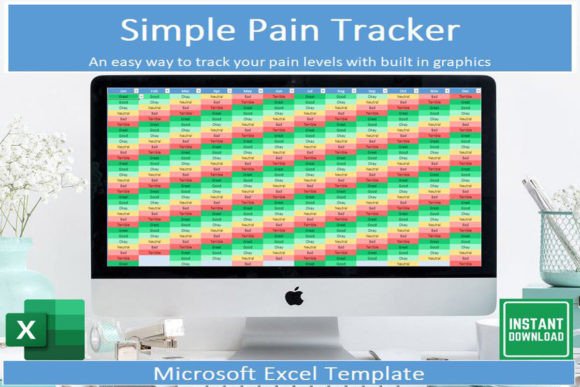
The Simple Pain Tracker Template I Excel stands out because of its minimalist design. It does not demand a large time investment to learn or use. The spreadsheet includes a dedicated tab called the Pain Board, which serves as a visual tracker. This board uses color-coded cells that change automatically based on the pain level you select from a dropdown list. For instance, mild pain might be shown in green, moderate in yellow, and severe in red. This instant visual feedback helps you grasp your weekly or monthly pain patterns at a glance, without needing to parse through rows of numbers. The dropdown lists also speed up data entry, reducing the clicks needed to log each entry. You can categorize pain types—such as sharp, dull, or burning—which adds context without complicating the interface.
Visual Tools for Quick Insights
One of the most powerful features is the built-in, automatically updating graph. As you enter data, the graph adjusts in real time to display trends. This is particularly helpful for identifying whether pain is increasing, decreasing, or remaining stable. For example, if you are trying a new medication or therapy, you can see its impact visually within days. The graph removes the need for manual chart creation, making it easy to share a clear visual summary with a neurologist, physical therapist, or family member. The entire template is designed to minimize friction—you spend less time managing the tool and more time focusing on your health.
Step-by-Step Guide to Using the Template
Getting started with the Simple Pain Tracker Template for Microsoft Excel requires only a few steps. First, download the digital file from the source. The download includes instructions that explain every element, from the dropdown options to the color logic. Open the file in Microsoft Excel—the free mobile app works well for on-the-go updates, though the desktop version offers a larger view. You will see a tab labeled "Tracker" where you enter the date, your pain level on a scale (typically 0 to 10), and any additional notes such as location of pain or possible cause. The dropdown lists help you standardize these entries, which is useful if multiple people are using the same sheet or if you want to run simple queries later.
The Pain Board tab displays a condensed view of your entries, with cells that turn colors automatically. This board can be printed for a quick physical copy or viewed on screen. The graph tab updates as soon as you add a new row. To maintain clarity, it is recommended to enter data once daily, preferably at the same time each day. If you experience multiple pain episodes, you can log them as separate entries or use the notes field to describe variations. The template is flexible enough to accommodate different routines, whether you prefer morning logs or end-of-day summaries.
For Individuals Managing Chronic Conditions
Anyone living with persistent pain—from conditions like arthritis, fibromyalgia, or nerve damage—can benefit from a simple tracking method. The Simple Pain Tracker Template I Excel provides a way to document the ebb and flow of symptoms without adding cognitive load during already challenging days. The author, who experienced nerve damage after Guillain-Barré syndrome in 2015, developed this template in response to a neurologist’s request for a straightforward daily log. By using color and dropdowns, the tracker reduces the effort needed to produce a useful record. It also empowers patients to become active participants in their care, as the data they collect can inform conversations about medication adjustments, lifestyle changes, or referrals to specialists.
For Healthcare Professionals and Researchers
Clinicians who want a low-cost, easy-to-implement tool for patient monitoring can use the Simple Pain Tracker Template for Microsoft Excel as a starting point. It works well for short-term studies, post-operative follow-ups, or rehabilitation progress. The automated graph allows for quick visual assessments during consultations, saving time and improving patient communication. For researchers, the structured dropdowns ensure consistency in data collection, which is essential for analysis. Since the template is digital, it can be shared via email or cloud storage, making it suitable for remote monitoring programs. It is not a replacement for clinical assessment, but it provides a reliable layer of real-world evidence that complements formal evaluation.
Considerations and Next Steps
While the Simple Pain Tracker Template I Excel is ideal for many, it is designed for simplicity first. If you have a pre-existing condition that requires tracking additional factors—such as medication dosages, sleep quality, mood, or specific triggers—you may find the template too basic. The author acknowledges this and plans to release a more comprehensive version on their shop soon. That expanded template will include fields for medication timing, side effects, and other variables. Until then, the current tracker serves as an effective entry point. For those already using complex systems, the simple template can act as a complementary log for quick daily notes.
Another consideration is device compatibility. The template relies on Microsoft Excel, which is widely available but may not be pre-installed on all devices. The free mobile app is a good alternative, but users on platforms other than Windows or macOS should verify that the file functions correctly. The instructions provided with the download offer troubleshooting tips and explain how to enable macros if needed (though the template does not require them). Overall, the template prioritizes reliability and ease of use, so most users will find it works without technical hiccups.
Practical Tips for Maximizing the Template
To get the most out of the Simple Pain Tracker Template for Microsoft Excel, consider these practices. Set a daily reminder on your phone to prompt data entry. Keep the file synced to a cloud service like OneDrive or Google Drive so you can access it from multiple devices. Review the graph weekly to spot trends early—for instance, if pain spikes occur on specific days, you can investigate potential causes such as diet, exercise, or weather changes. Use the notes field to record contextual information, but keep it brief to maintain the template's quick-entry nature. If you are sharing the data with a doctor, export the graph as an image or print the Pain Board for a concise report.
The template also works well for family caregivers who need to log symptoms for a loved one. The dropdown structure reduces ambiguity, and the color coding makes it easy to see if pain is escalating over time. For those new to pain tracking, start with a two-week trial to see how the habit fits into your routine. Adjust the pain scale if the default 0-10 range does not match your needs—you can modify the dropdown options directly in Excel. The template is designed to be adapted, not rigid.
Ultimately, the Simple Pain Tracker Template I Excel delivers on its promise: a quick, easy way to monitor pain with visual insights. It lowers the barrier to consistent logging, which is often the biggest obstacle in self-management. By combining dropdown efficiency, automatic color coding, and a live graph, it transforms raw data into a story you can act on. Whether you are recovering from surgery, navigating a chronic illness, or simply curious about your health patterns, this template offers a practical starting point that grows with your needs. And for those who require more depth, the upcoming comprehensive version will build on this solid foundation, ensuring that everyone can find a tracking solution that fits their life.